


What Is a Towel Warmer?
A towel warmer is a bathroom fixture designed to heat and dry your towels. Beyond the comfort of a warm towel, these devices help prevent mold and mildew by drying towels faster. They also add a touch of luxury to your bathroom and can serve as a supplemental heat source during cold months.
Towel warmers come in various styles, sizes, and mounting options to match your bathroom design. The two main types are hydronic and electric, each with unique features that might make one better for your specific needs.
The Two Types of Heated Towel Rails
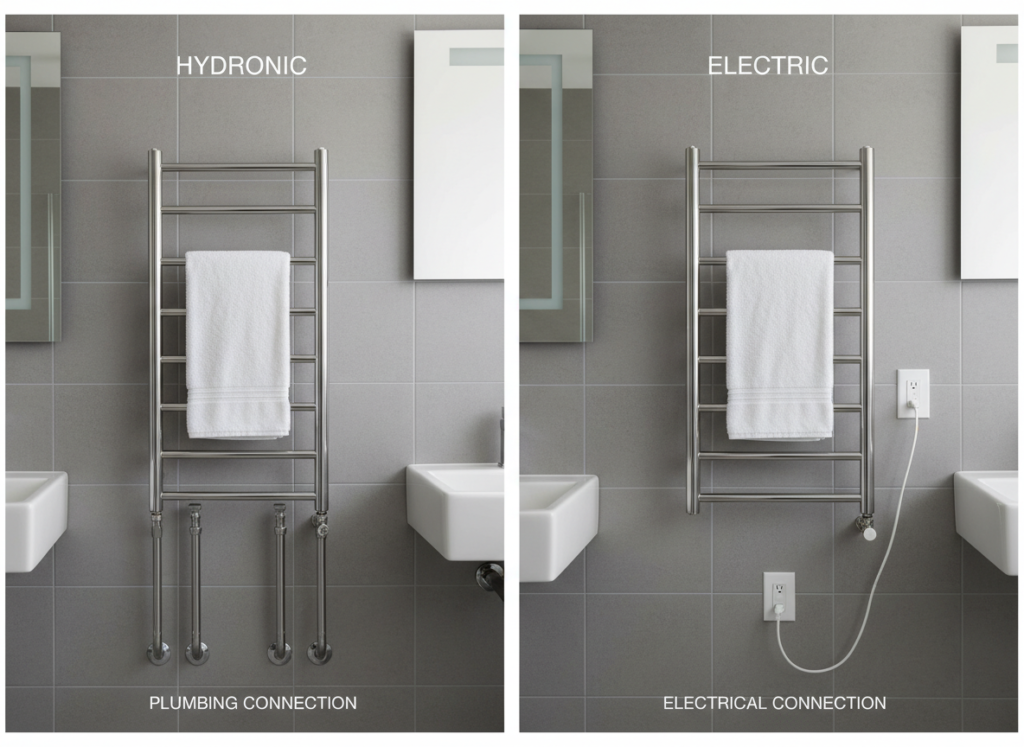
Hydronic Towel Warmer
A hydronic towel warmer connects to your home’s hot water or central heating system. Hot water flows through the rails, warming them up. Think of it as a small radiator for your towels. These systems work like the radiators that heat many homes, using the existing hot water supply.
Electric Towel Warmer
An electric towel warmer runs on electricity and works independently from your home’s heating system. These units contain an internal heating element that warms the rails. You can find models that plug into a standard outlet or ones that require hardwiring into your bathroom’s electrical system.
Hydronic vs Electric Towel Warmer: 8 Key Differences
When choosing between a hydronic and electric towel warmer, consider these eight important factors to find the best match for your home.
| Factor | Hydronic Towel Warmer | Electric Towel Warmer |
| Installation | Complex, requires plumbing connection | Simpler, plug-in or basic electrical work |
| Popularity | Less common, best with existing systems | More popular due to easier setup |
| Heating Method | Uses hot water from central system | Uses built-in electrical heating elements |
| Heating Speed | Slower, depends on central heating | Faster, typically 10-20 minutes |
| Maintenance | Requires occasional system checks | Minimal maintenance needed |
| Operation | Tied to home heating system | Works independently year-round |
| Energy Efficiency | Efficient when heating system runs | Options with timers for better efficiency |
| Cost | Higher upfront cost, lower long-term | More affordable initially |
1. Installation Complexity
Hydronic towel warmers need connection to your home’s hot water heating system. This makes installation more complex and often requires a professional plumber. If you’re building a new bathroom or doing a major renovation, this might be a good time to consider a hydronic system.
Electric towel warmers offer much easier installation. Plug-in models simply need an outlet, while hardwired versions require basic electrical work. Many homeowners can install plug-in models themselves, making them a more DIY-friendly option.
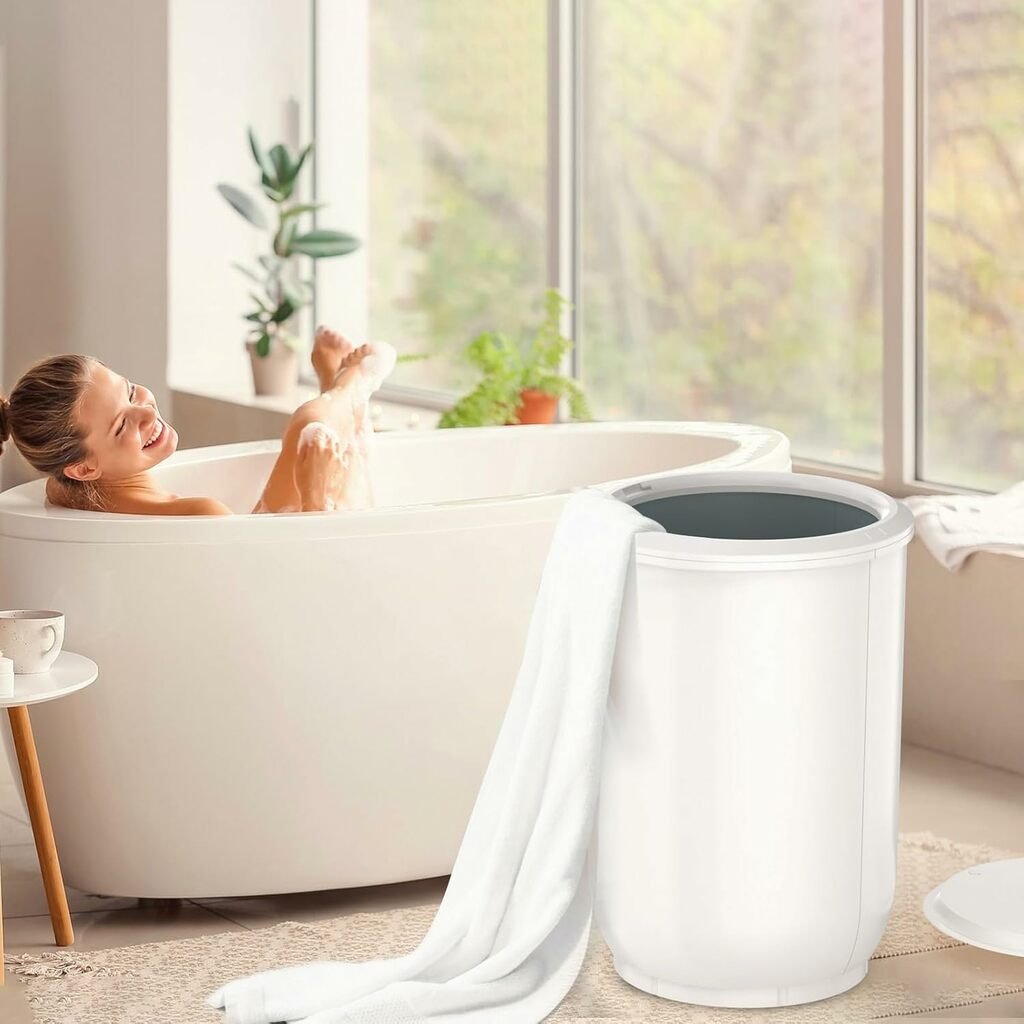
Easy Installation Electric Option
Looking for a simple installation? This FLYHIT Large Towel Warmer offers plug-and-play convenience with no complex plumbing required.
2. Market Popularity
Electric towel warmers dominate the market due to their flexibility and easier setup. They work in any home regardless of the heating system. Hydronic models remain popular in homes with existing radiator systems, particularly in older homes or regions where radiator heating is common.
3. Heating Mechanism
Hydronic towel warmers rely on your home’s hot water system, making them dependent on your central heating. Electric models use built-in heating elements that work independently, giving you more control over when and how you use your towel warmer.
4. Heating Speed
Electric towel warmers heat up faster, typically reaching optimal temperature in 10-20 minutes. Hydronic models take longer since they depend on your central heating system to warm up first. If you want a warm towel quickly after turning on the device, electric models have a clear advantage.
Fast-Heating Electric Towel Warmer
The Keenray Bathroom Towel Warmer heats up quickly to ensure your towels are warm when you need them.
5. Maintenance & Durability
Hydronic towel warmers require occasional maintenance like checking for leaks or flushing the system. Electric models need minimal upkeep, usually just cleaning and periodic electrical checks. Both types can last many years with proper care.
6. Operation Independence
Electric towel warmers work any time of year, regardless of your home’s heating status. Hydronic models typically only work when your central heating system runs, which might limit their use during warmer months unless you have a separate boiler.

7. Energy Efficiency & Cost
Hydronic towel warmers can be more energy-efficient if your heating system already runs, as they use heat that’s already being generated. Electric models offer eco-friendly options with timers and low-energy consumption features that help control costs.
Energy-Efficient Hydronic Option
The Runtal Solea Hydronic Towel Radiator offers excellent energy efficiency when connected to your existing hot water system.
8. Cost Considerations
Hydronic towel warmers typically cost more upfront due to complex installation but may save money long-term if integrated with an efficient heating system. Electric models generally have a lower initial price point and are more cost-effective for most households.
Pros and Cons: Which Towel Warmer Type Is Best?
Hydronic Towel Warmer Pros
- More energy-efficient when integrated with existing system
- Can provide additional bathroom heating
- Often more durable with replaceable parts
- No electricity near water concerns
- Consistent, even heating throughout the rails
Hydronic Towel Warmer Cons
- Complex and expensive installation
- Requires existing hot water system
- Slower to heat up
- Limited use when central heating is off
- Less control over individual operation
Electric Towel Warmer Pros
- Easier and less expensive installation
- Works independently of home heating system
- Faster heating time
- Can be used year-round
- More control options (timers, temperature settings)
Electric Towel Warmer Cons
- May increase electricity usage
- Heating element usually can’t be replaced
- Some models have visible wiring
- May provide less supplemental room heating
- Requires electrical safety considerations in bathrooms
The best choice depends on your home setup and personal preferences. If you have an existing radiator system and want seamless integration, a hydronic towel warmer might be ideal. For flexibility, independent operation, and easier installation, an electric towel warmer is often the better choice for most homeowners.
Installation Considerations
Before purchasing a towel warmer, consider these important installation factors:
For Hydronic Towel Warmers:
- Proximity to existing hot water pipes
- Need for a professional plumber
- Potential need for system modifications
- Wall strength to support a water-filled unit
- Space for necessary valves and connections
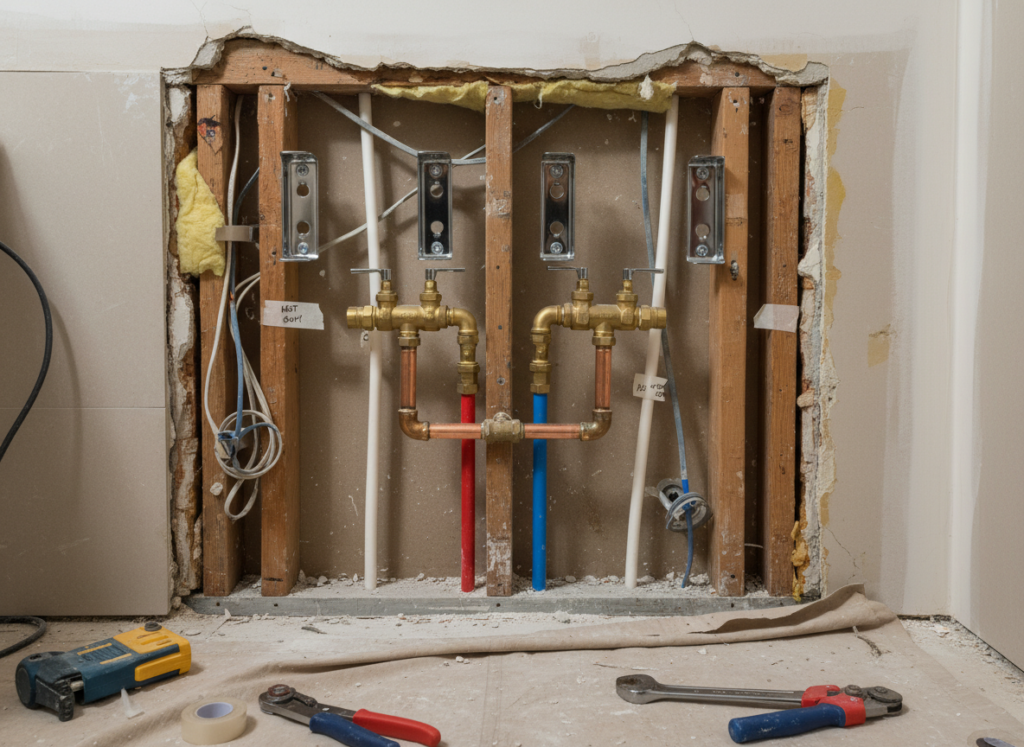
Premium Hydronic Option
The ICO Bath Blenheim Hydronic Warmer offers elegant design with efficient heating when connected to your home’s hot water system.
For Electric Towel Warmers:
- Proximity to electrical outlets (for plug-in models)
- Need for a licensed electrician (for hardwired models)
- Bathroom electrical code compliance
- GFCI protection requirements
- Wall space and mounting considerations
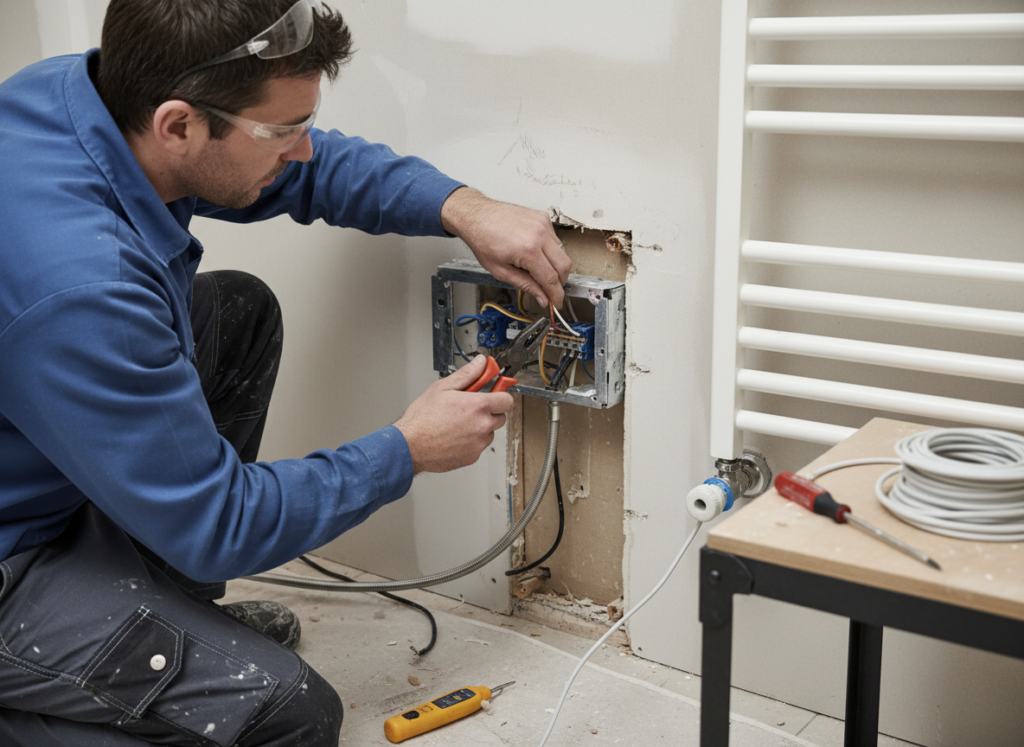
Smart Hardwired Electric Option
The HEATGENE Wall-Mounted Hardwired Towel Warmer offers smart home compatibility and elegant design for modern bathrooms.
Top Recommended Towel Warmers
Based on our research and customer reviews, here are some of the best towel warmers in both categories:
Best Hydronic Towel Warmers
Runtal Solea Hydronic Towel Radiator
This premium hydronic model offers excellent heat output and elegant European design. It connects to your home’s hot water system and provides consistent, even heating for your towels while adding supplemental warmth to your bathroom.
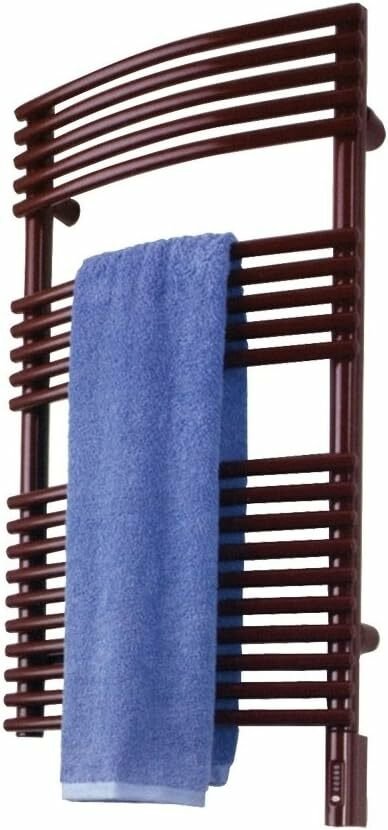
- High heat output (up to 2,400 BTUs)
- European craftsmanship
- Durable steel construction
- Available in multiple finishes
- Works with home hot water systems
ICO Bath Blenheim Hydronic Warmer
The Blenheim offers traditional styling with modern hydronic performance. This British-designed towel warmer provides excellent heat distribution and works seamlessly with existing hot water heating systems.
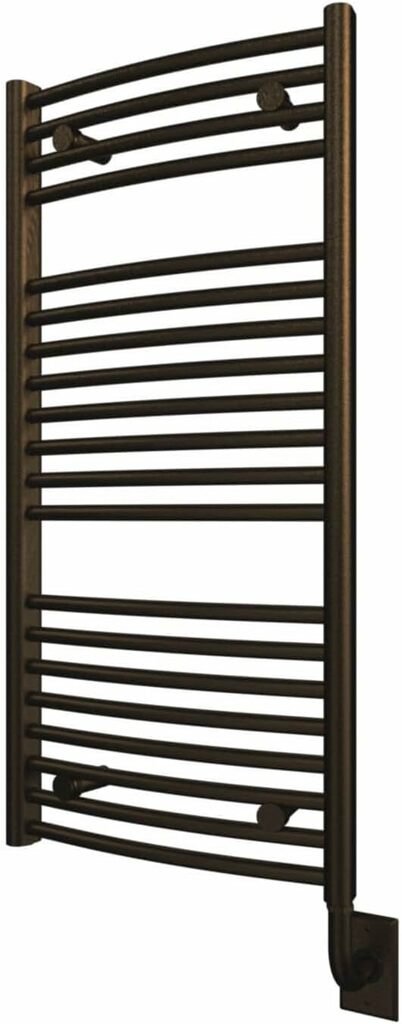
- Classic British design
- Brass construction with chrome finish
- Excellent heat retention
- 10-year manufacturer warranty
- Includes mounting hardware
Best Electric Towel Warmers
HEATGENE Smart Towel Warmer
This wall-mounted electric towel warmer offers modern convenience with smart home compatibility. Control it with your voice or smartphone and enjoy perfectly warmed towels whenever you need them.
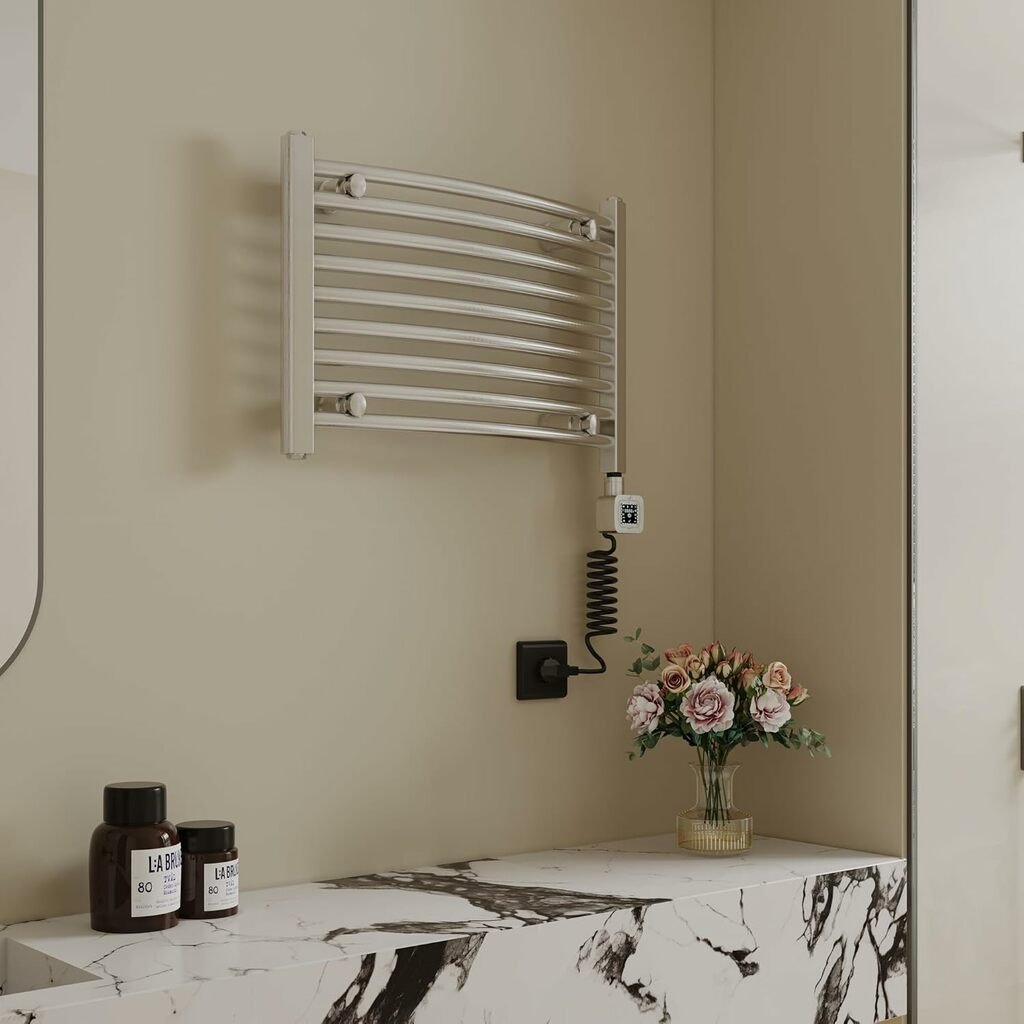
- Works with Alexa and Google Home
- 10 heating bars for multiple towels
- Hardwired installation for clean look
- Built-in timer function
- Stainless steel construction
FLYHIT Large Towel Warmer
This freestanding electric towel warmer offers maximum flexibility. With its large capacity and rapid heating, it’s perfect for families or anyone who wants the convenience of a portable warming solution.
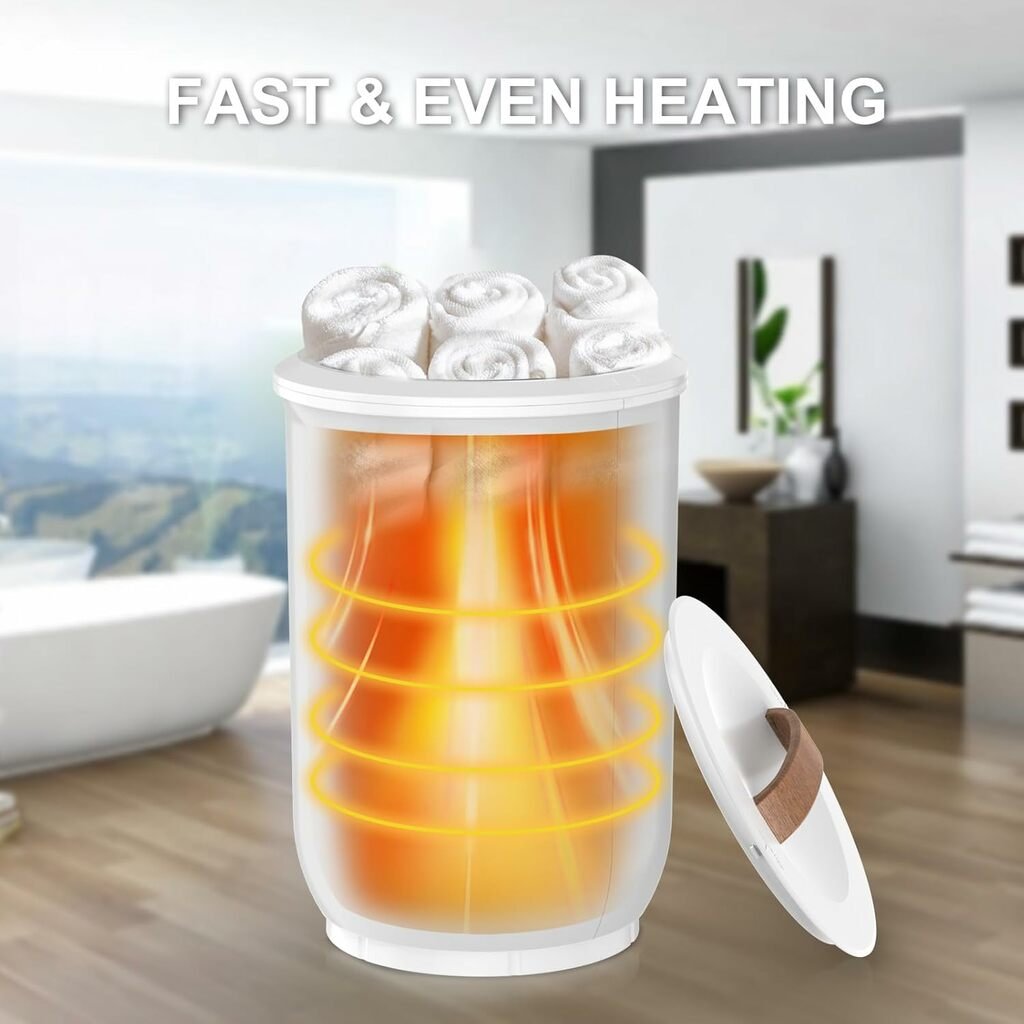
- Extra-large capacity for multiple towels
- Portable design – move where needed
- Simple plug-in operation
- Auto-shutoff safety feature
- Heats up in under 20 minutes
Final Thoughts: Which Towel Warmer Should You Choose?
The best towel warmer for you depends on your specific needs, home setup, and preferences:
Choose a hydronic towel warmer if:
- You have an existing hot water heating system
- You’re doing a major bathroom renovation
- You want additional bathroom heating
- You prefer the most energy-efficient option long-term
Choose an electric towel warmer if:
- You want easier installation
- You need a towel warmer that works year-round
- You prefer faster heating times
- You want smart home features or programmable settings

Both hydronic and electric towel warmers offer the luxury of warm, dry towels. Your choice comes down to your home’s setup, your installation preferences, and how you plan to use the warmer. Whichever type you choose, a towel warmer adds comfort and convenience to your daily routine.
Ready to Upgrade Your Bathroom Experience?
Browse our top recommendations for both hydronic and electric towel warmers to find the perfect match for your needs.