

What Is a Towel Warmer and How Does It Work?
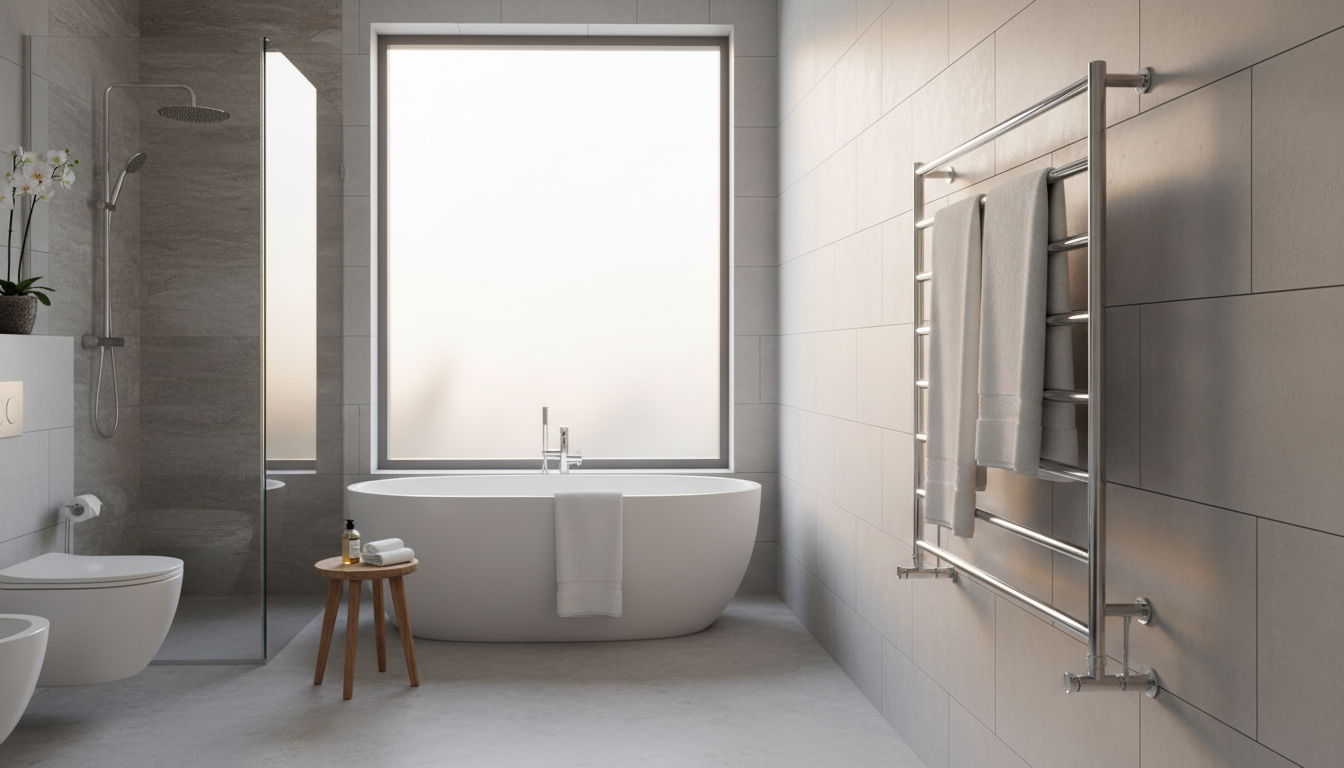
A towel warmer is a bathroom fixture designed to heat towels before use. These devices come in various designs but all serve the same core purpose: to provide you with a warm, cozy towel after bathing. Most towel warmers heat to temperatures between 100°F and 150°F, warm enough to heat fabric without risk of burning or damage.
How Towel Warmers Work
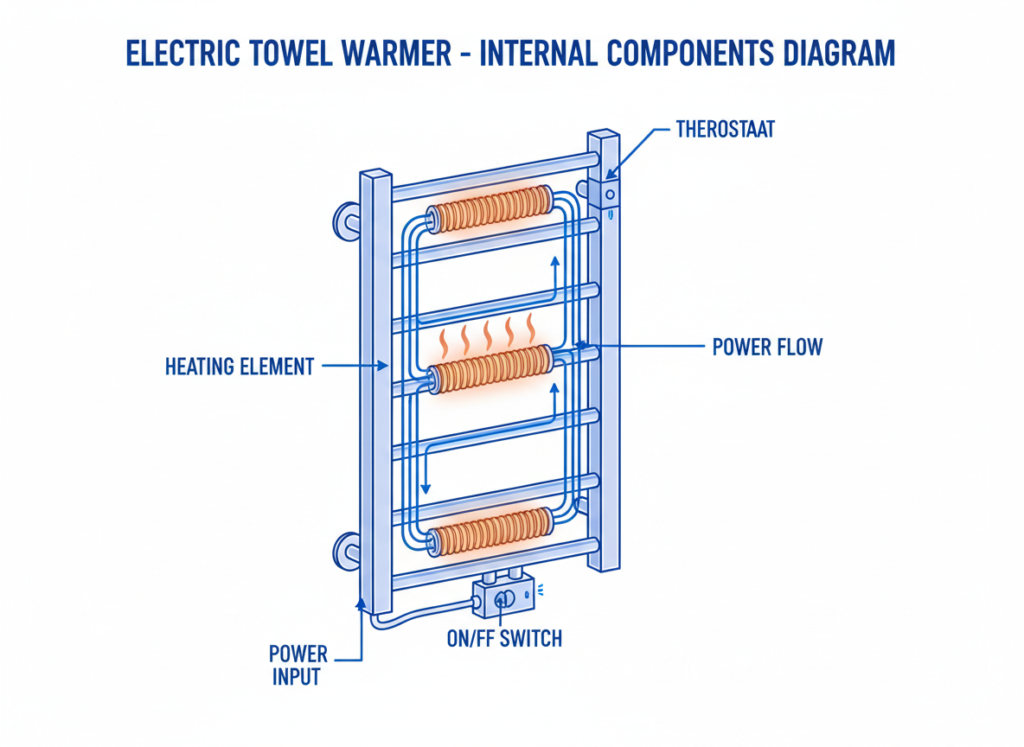
Towel warmers operate through one of two heating methods:
- Electric heating: Uses internal heating elements powered by electricity to warm the rack. The heat transfers to any towel placed on the bars.
- Hydronic heating: Circulates hot water from your home’s plumbing system through the towel rack, similar to how radiators work.
Most home towel warmers use electric heating for simplicity and ease of installation. They typically consume between 100-200 watts of electricity, similar to a standard light bulb.
Types of Towel Warmers: Finding Your Perfect Match
Towel warmers come in several distinct styles, each with unique benefits for different bathroom layouts and personal preferences. Understanding these options helps you choose the right model for your needs.
Wall-Mounted Racks
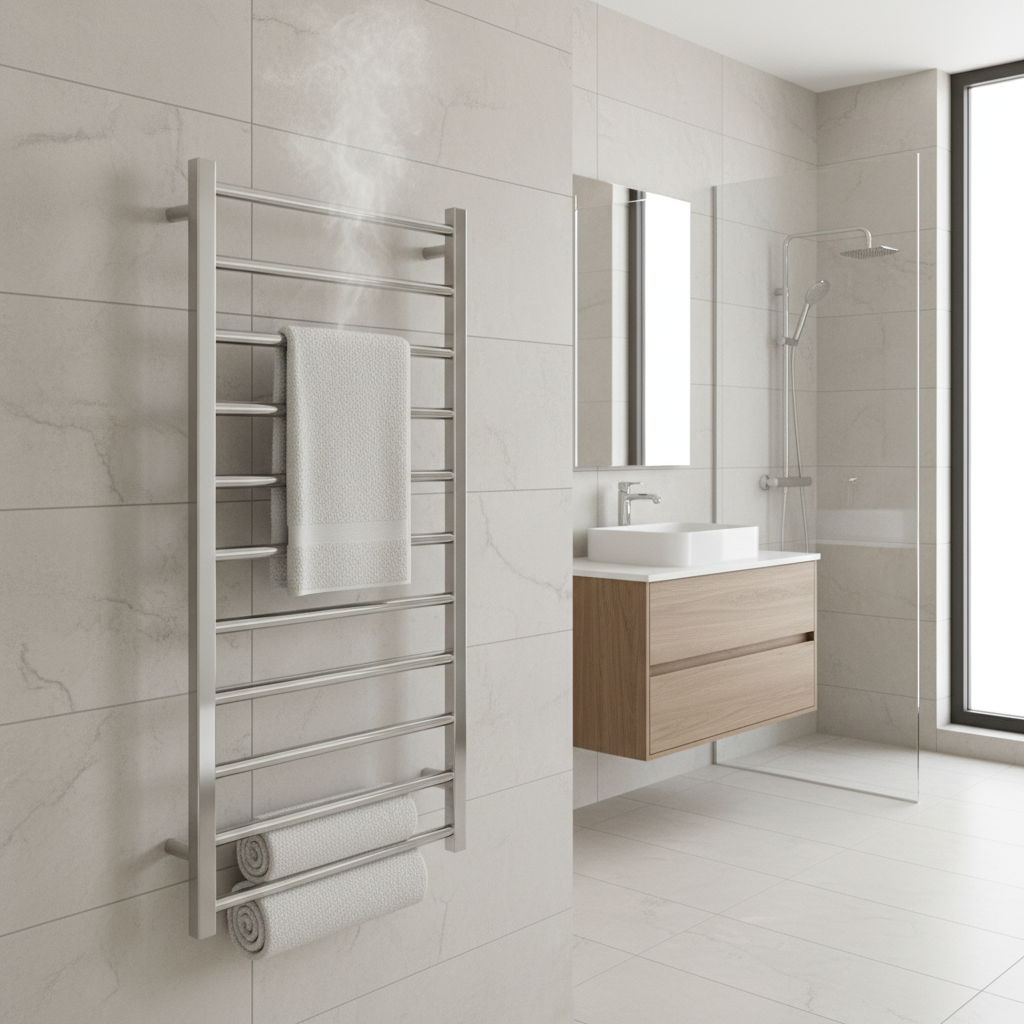
These fixed installations attach directly to your bathroom wall, saving valuable floor space. They offer a clean, built-in appearance and can be hardwired into your electrical system or plugged into an outlet.
- Space-efficient design
- Permanent installation
- Available in various sizes and finishes
Freestanding Racks
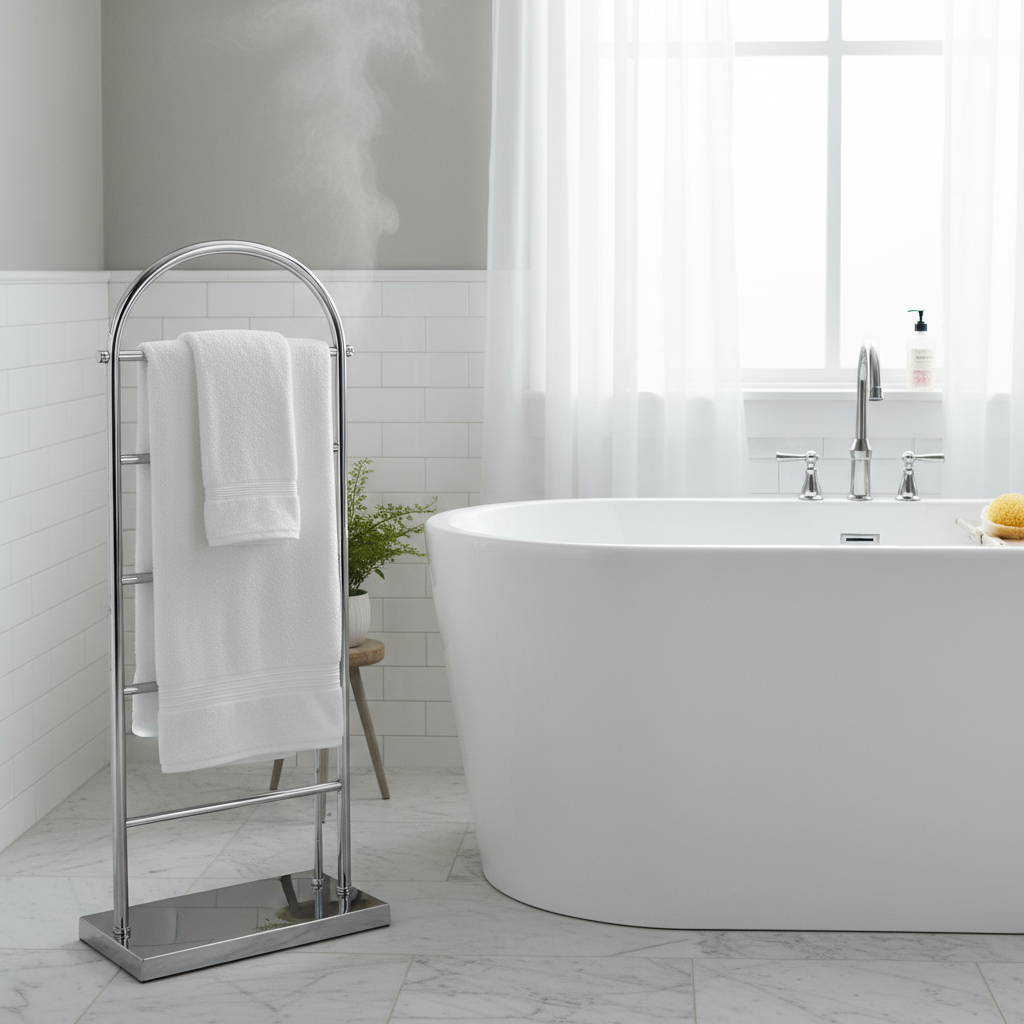
These portable units stand on their own and can be moved around your bathroom as needed. They plug into standard outlets and require no permanent installation, making them perfect for renters.
- Portable and flexible placement
- No installation required
- Ideal for rental properties
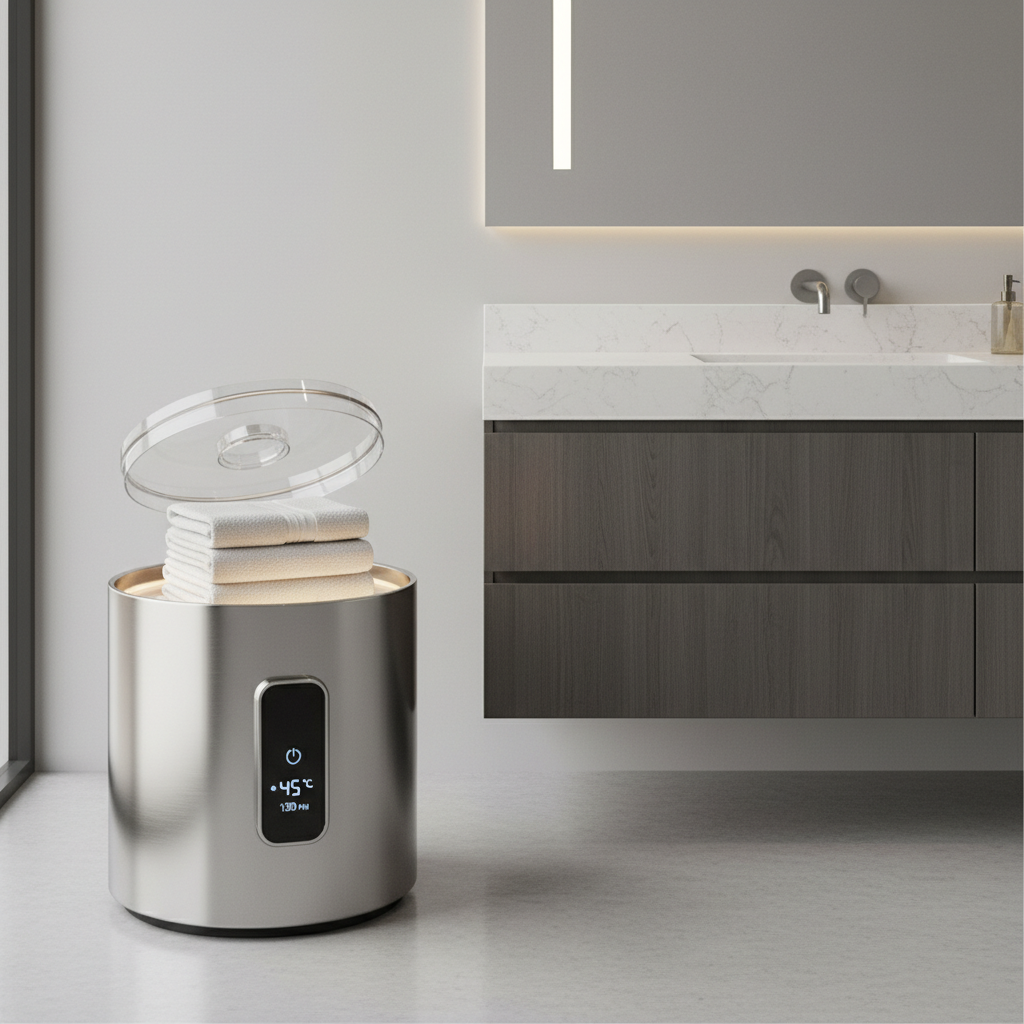
Bucket Warmers
These compact units heat towels inside an enclosed container. Simply place your folded towels inside, close the lid, and they warm up quickly. Bucket warmers often heat towels more thoroughly than rack styles.
- Fast, even heating
- Compact footprint
- Simple plug-in operation
Find Your Perfect Towel Warmer
Browse our selection of premium towel warmers in all styles and finishes to match your bathroom design.
The Benefits of Owning a Towel Warmer
Towel warmers offer more advantages than just the luxury of a warm towel. These versatile fixtures serve multiple practical purposes that improve your bathroom experience and home environment.
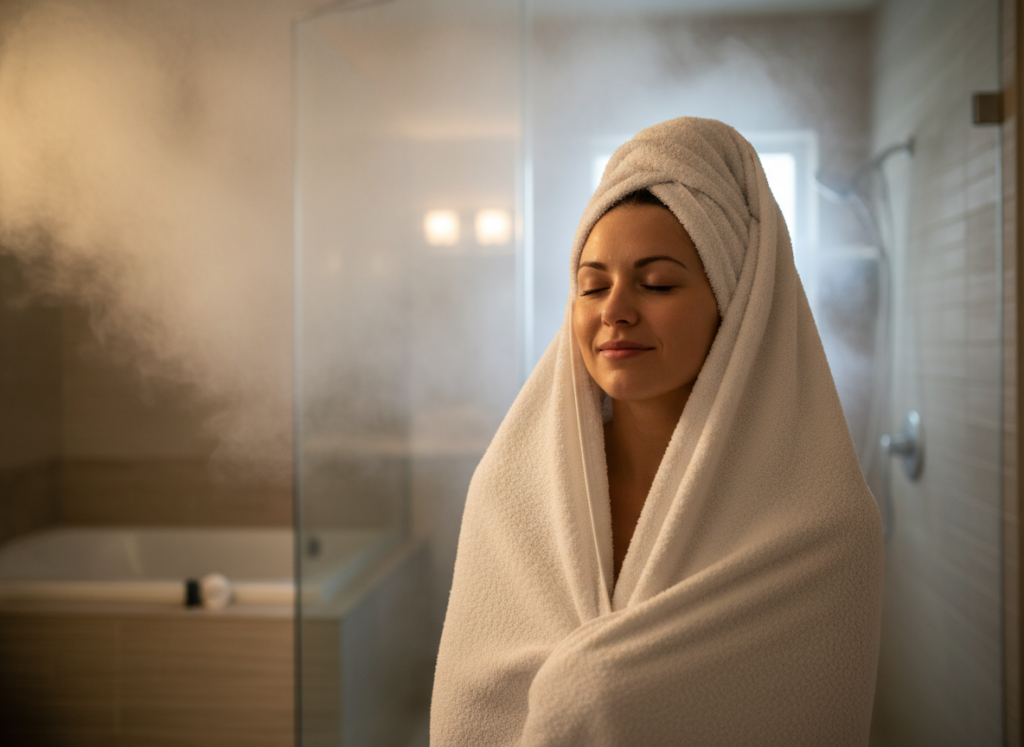
Key Benefits of Towel Warmers
- Enhanced comfort: Enjoy the luxury of warm, cozy towels after every shower or bath.
- Faster drying: Reduce moisture in towels, which helps prevent mildew and musty odors.
- Bacteria reduction: The heat helps kill bacteria that thrive in damp environments.
- Supplemental heating: Adds gentle warmth to your bathroom, especially welcome on cold mornings.
- Versatile use: Beyond towels, warm robes, blankets, swimwear, or winter clothing.
- Energy efficiency: Most models use minimal electricity, similar to a standard light bulb.
- Reduced laundry: Towels stay fresher longer, reducing the frequency of washing.
“Adding a towel warmer to my bathroom was one of the best home upgrades I’ve made. The comfort of a warm towel after every shower makes even weekday mornings feel like a spa day.”
Installation Options: Plug-In vs. Hardwired Towel Warmers
When selecting a towel warmer, the installation method is a key consideration. Your choice depends on your bathroom layout, electrical setup, and whether you own or rent your home.
Plug-In Towel Warmers
These models connect to standard electrical outlets, offering simple setup without professional help.
Advantages:
- Easy DIY installation with no special tools
- Portable and can be moved as needed
- Ideal for renters or temporary installations
- No electrical work required
Considerations:
- Requires a nearby outlet (GFCI protected for bathroom safety)
- Visible cord may affect aesthetics
- Limited placement options based on outlet locations
Hardwired Towel Warmers
These models connect directly to your home’s electrical system for a permanent, cord-free installation.
Advantages:
- Clean, cord-free appearance
- Can be installed exactly where you want it
- Often includes more advanced control options
- Typically more stable mounting
Considerations:
- Requires professional electrician for installation
- Higher installation cost
- Permanent fixture (not easily moved)
- Better suited for homeowners than renters
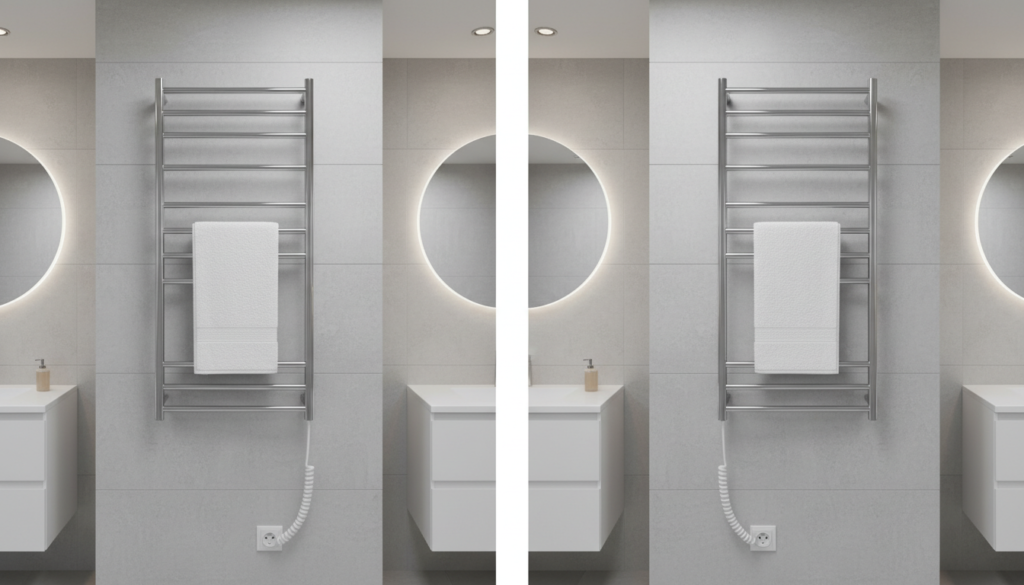
Dual-Connect Options
Some manufacturers offer “dual-connect” towel warmers that can be either plugged in or hardwired. These versatile models give you flexibility if your needs change in the future.
Need Professional Installation?
Our network of certified electricians can install your hardwired towel warmer quickly and safely.
Electric vs. Hydronic Towel Warmers: Which Is Better?
The heating method is another important factor when choosing a towel warmer. Both electric and hydronic systems have distinct advantages depending on your home setup and heating preferences.
| Feature | Electric Towel Warmers | Hydronic Towel Warmers |
| Heat Source | Internal electric heating elements | Hot water from home heating system |
| Installation Complexity | Simpler (plug-in or basic electrical work) | Complex (requires plumbing integration) |
| Heat Output | 100-200 watts (341-682 BTUs) | Approximately 1,200 BTUs |
| Room Heating Ability | Minimal supplemental heat | Significant contribution to room heating |
| Independent Operation | Can operate any time, regardless of home heating | Typically works only when home heating system is active |
| Energy Source | Electricity | Whatever fuels your home heating (gas, oil, etc.) |
| Best For | Most homes, retrofits, simpler installations | New construction, major renovations, homes with hydronic heating |
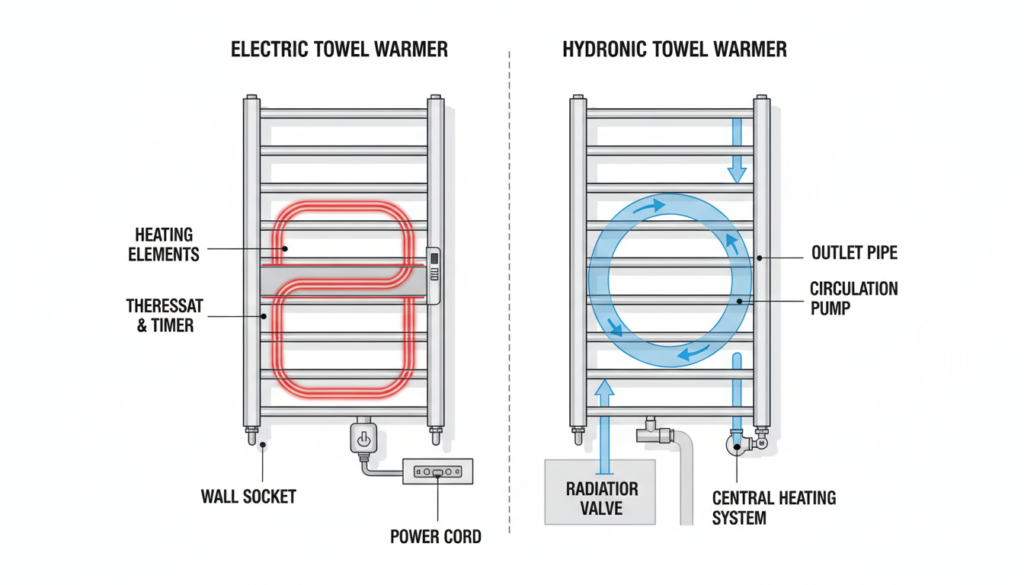
For most homeowners, electric towel warmers offer the best combination of affordability, ease of installation, and functionality. Hydronic systems make more sense when incorporated into new construction or major bathroom renovations, especially in homes already using hydronic heating systems.
Control Options for Towel Warmers
Modern towel warmers come with various control features that enhance convenience and energy efficiency. These options range from simple on/off switches to programmable timers and smart home integration.
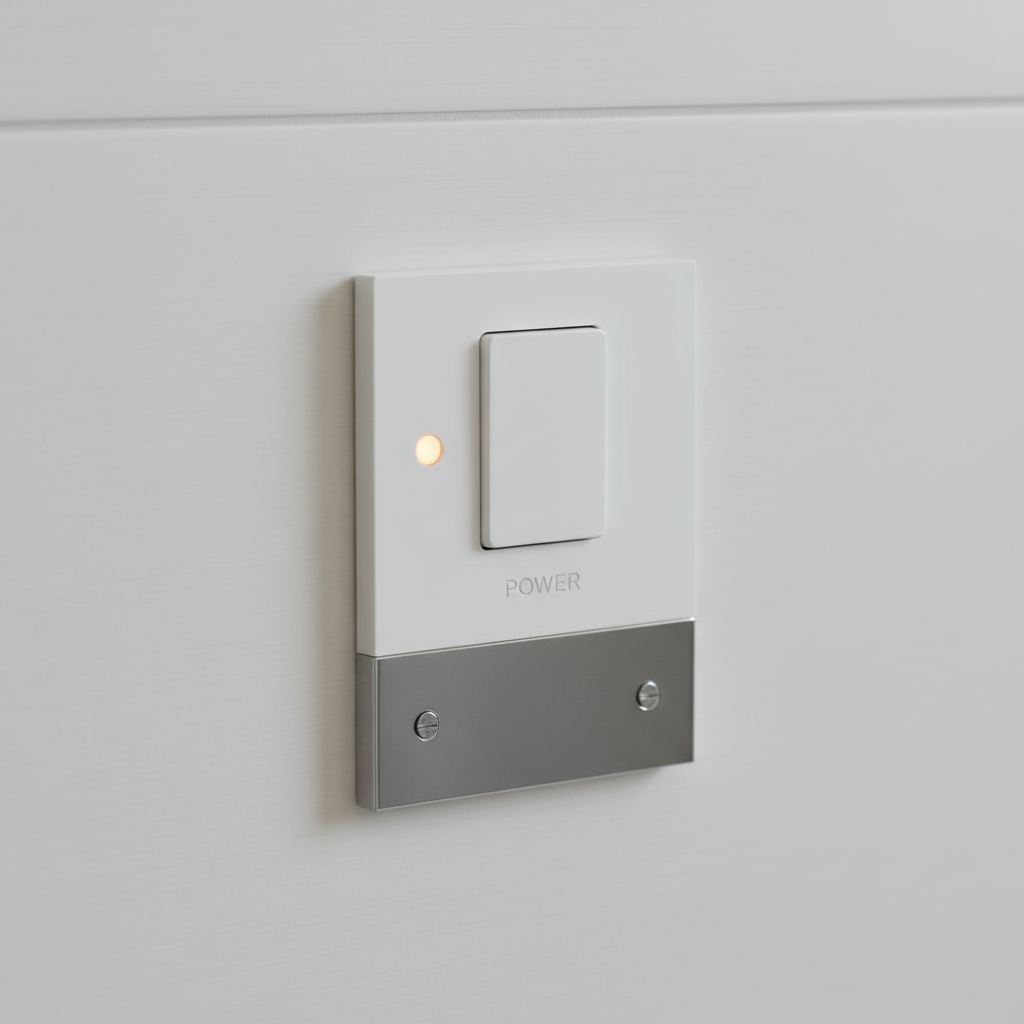
Basic Controls
The simplest towel warmers feature a standard on/off switch. These are straightforward to use but require manual operation each time.
- Simple on/off functionality
- No programming required
- Most affordable option
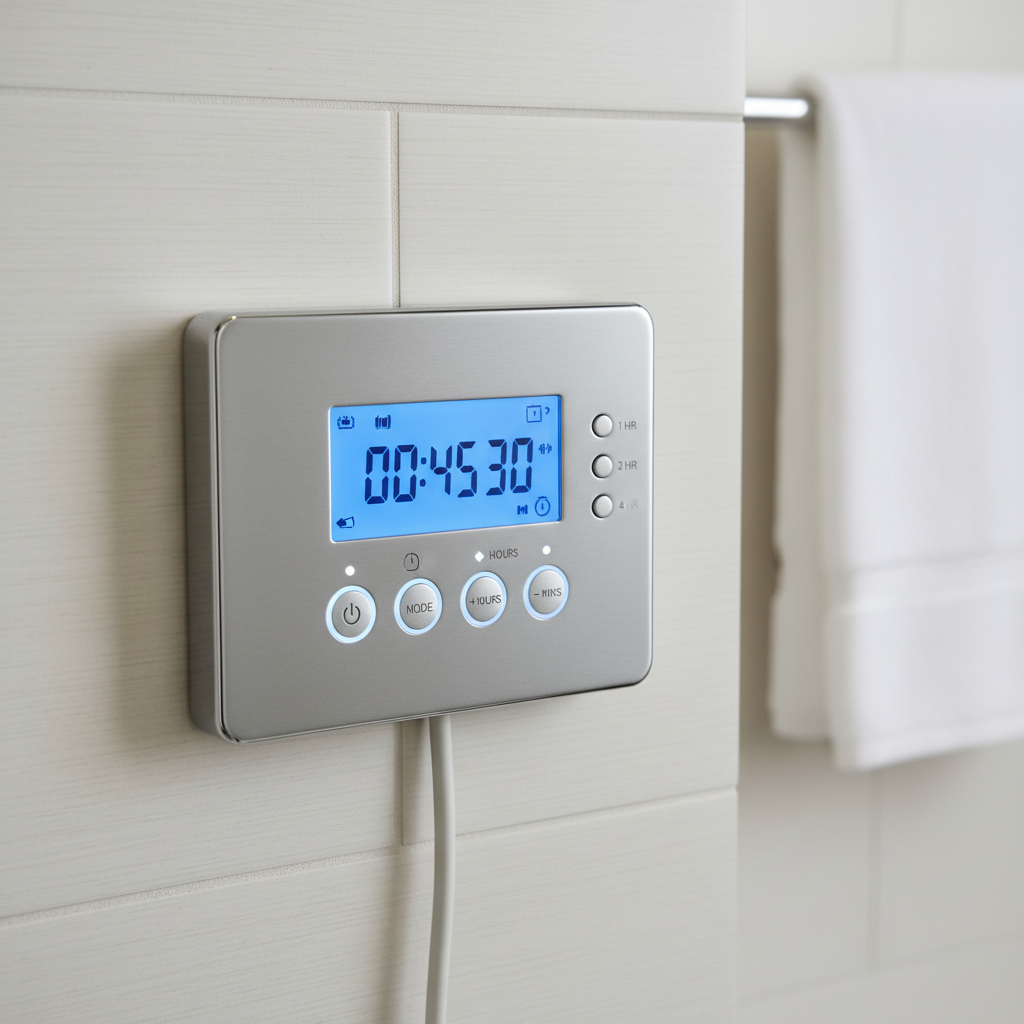
Timer Controls
Timer-equipped models allow you to set specific durations for operation. This prevents energy waste and ensures your towel is warm exactly when needed.
- Preset durations (typically 15-60 minutes)
- Automatic shutoff
- Energy-saving operation
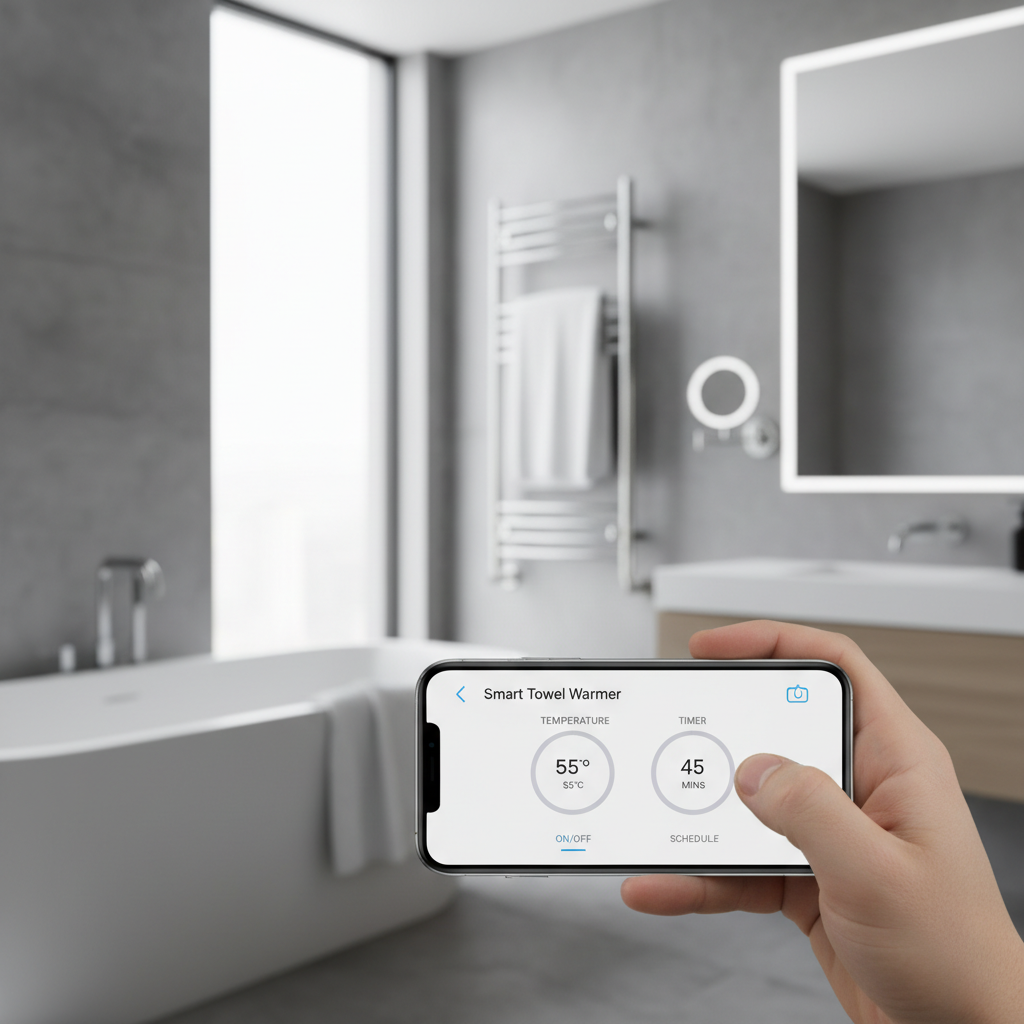
Smart Controls
Advanced towel warmers offer WiFi connectivity and smart home integration, allowing remote control through apps or voice assistants.
- Remote operation via smartphone
- Voice control compatibility
- Programmable schedules
- Energy usage monitoring
Energy-Saving Tip: A towel warmer with a timer or programmable control can reduce energy consumption by up to 60% compared to models that stay on continuously.
Where to Place a Towel Warmer in Your Bathroom
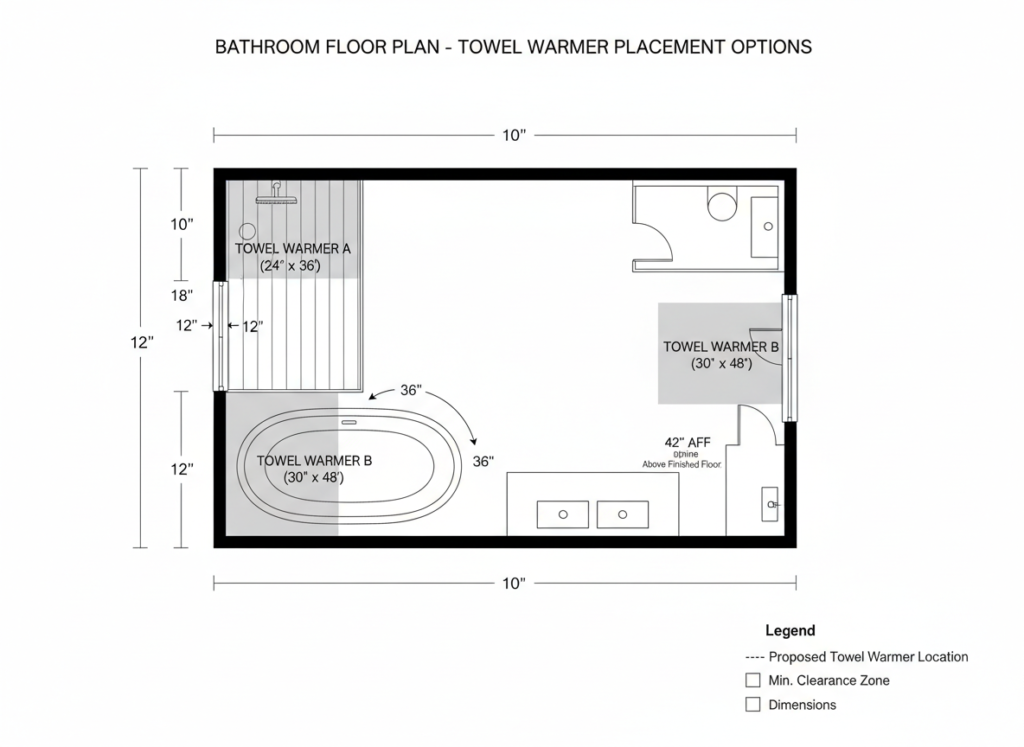
Strategic placement of your towel warmer maximizes both functionality and convenience. Consider these factors when deciding where to install your towel warmer.
Ideal Placement Considerations
- Proximity to shower or bath: Place within easy reach after bathing
- Electrical access: Near an outlet for plug-in models or accessible wiring for hardwired units
- Space requirements: Allow adequate clearance for towels and user access
- Safety zones: Follow electrical codes for bathroom installations
- Traffic flow: Avoid placement that obstructs movement
- Wall structure: Ensure wall can support the weight of the unit plus wet towels
Creative Placement Ideas
Towel warmers aren’t limited to just bathroom walls. Consider these alternative locations for expanded functionality:
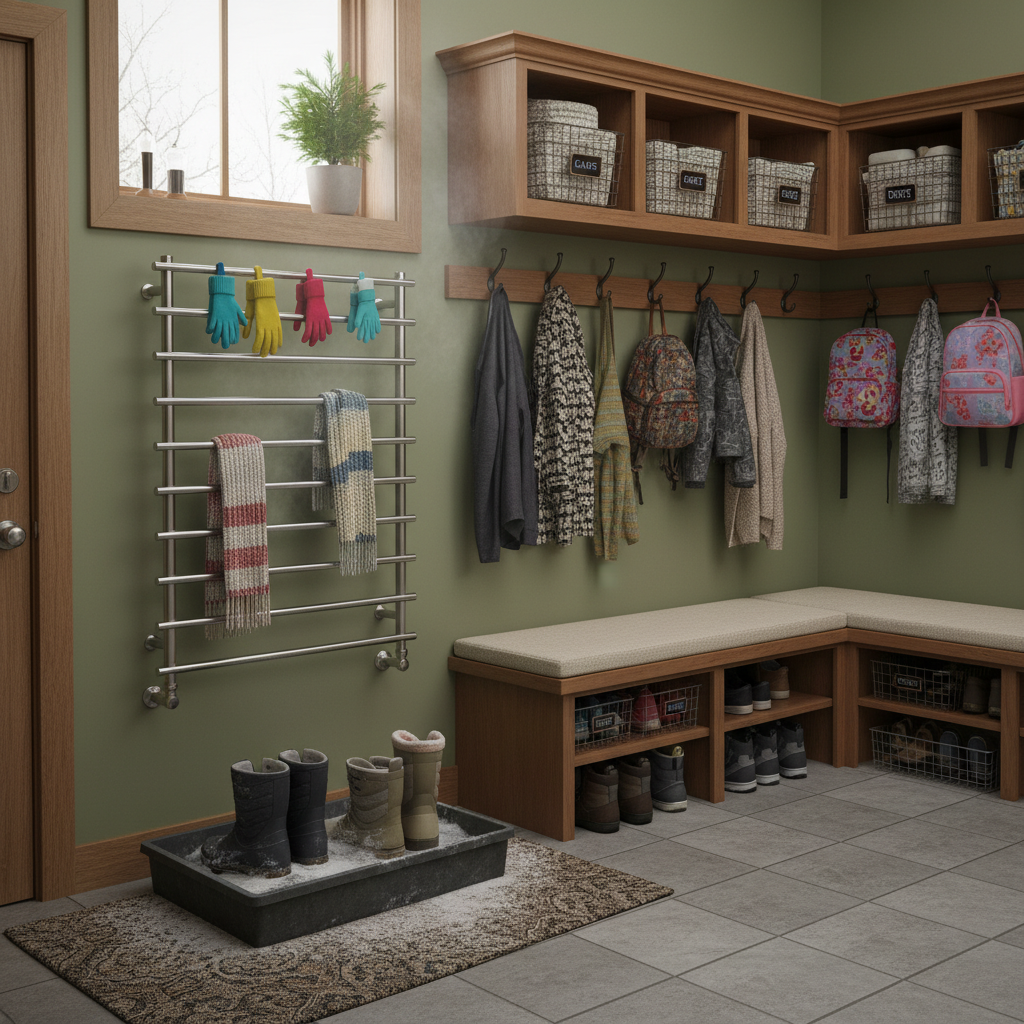 Mudroom: Perfect for drying wet coats, gloves, and boots during winter months.
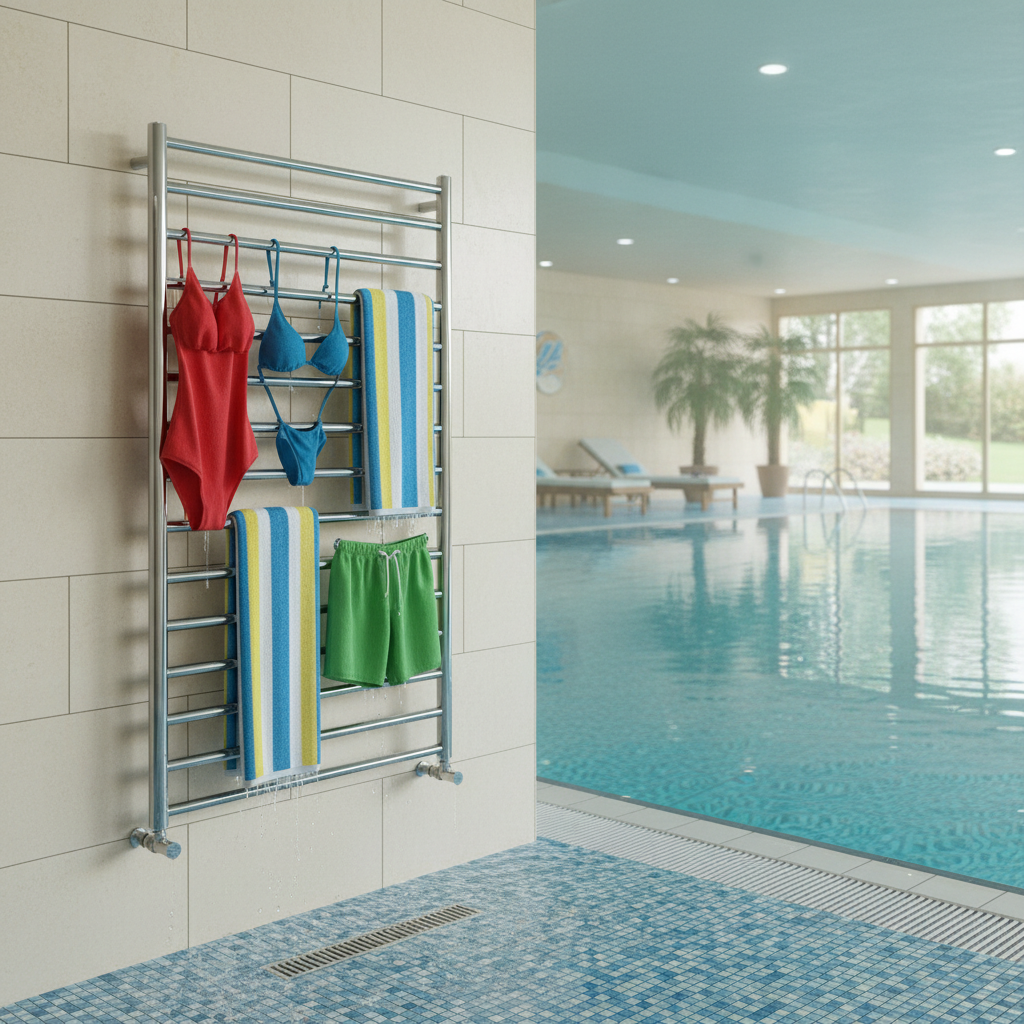 Pool Area: Ideal for warming towels and drying swimwear after swimming.
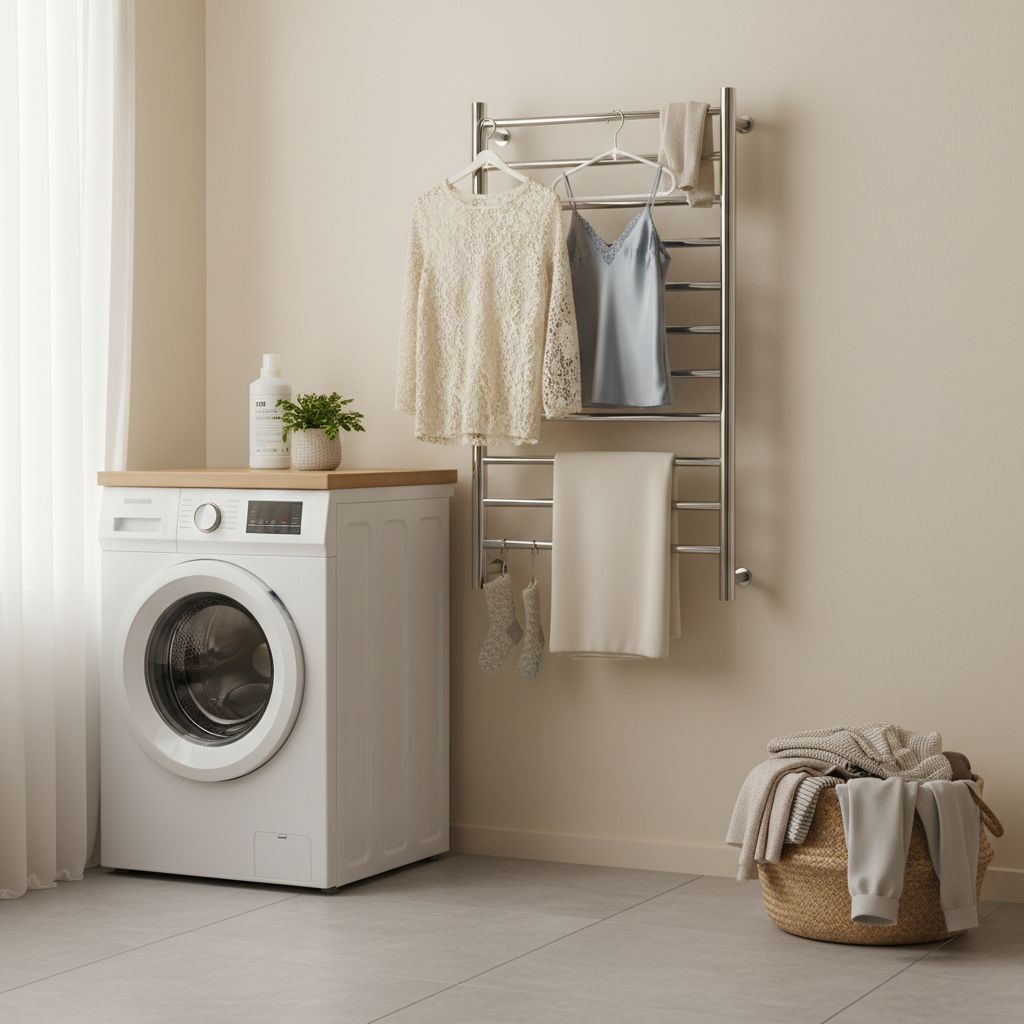 Laundry Room: Useful for drying delicate items that shouldn’t go in the dryer.
Energy Efficiency and Operating Costs
Many homeowners wonder about the energy consumption and operating costs of towel warmers. The good news is that most models are surprisingly economical to run.
Typical Energy Consumption
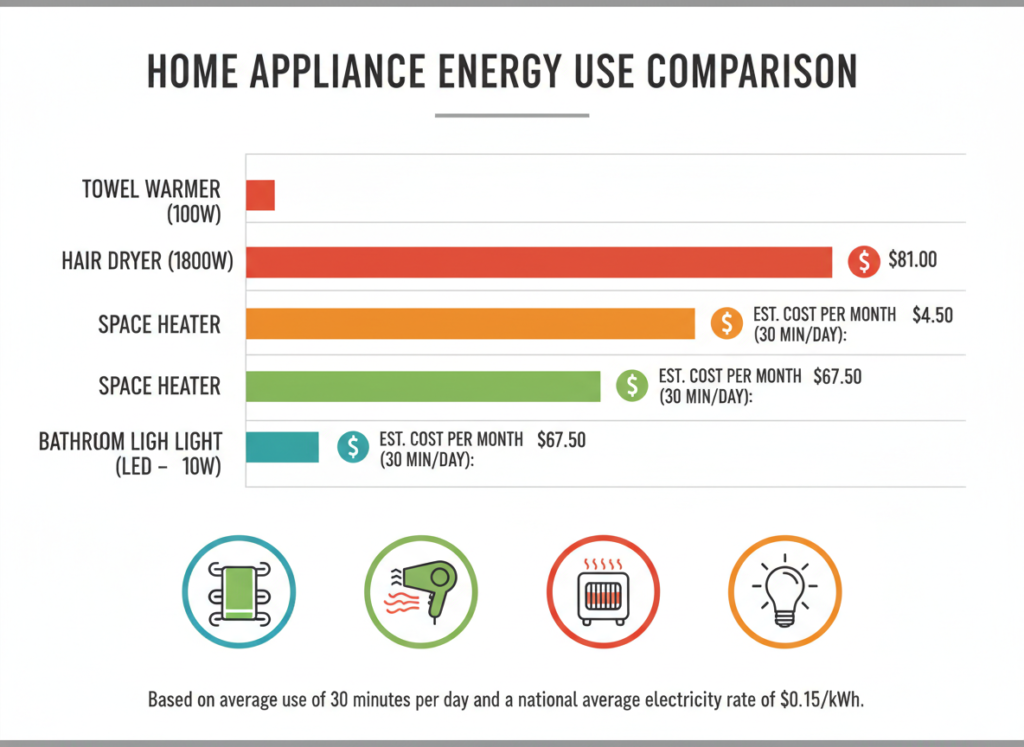
Most electric towel warmers consume between 100-200 watts of electricity during operation. This is comparable to:
- 1-2 standard light bulbs
- Less than most hair dryers
- Significantly less than space heaters
Estimated Operating Costs
Based on the average U.S. electricity rate of 16.26 cents per kilowatt-hour:
- A 150-watt towel warmer costs approximately 2.44 cents per hour to operate
- Daily cost (2 hours of use): About 4.88 cents
- Monthly cost: Approximately $1.46
Energy-Saving Tips:
- Use a timer to run your towel warmer only when needed
- Consider models with temperature controls
- Turn off when leaving home for extended periods
- Place towel warmer away from drafts for maximum efficiency
Safety Considerations for Towel Warmers
Towel warmers are generally very safe appliances when properly installed and used. However, understanding basic safety guidelines ensures worry-free operation.
Key Safety Features to Look For
- Automatic shutoff: Prevents overheating if left on too long
- GFCI protection: Required for bathroom electrical devices
- Temperature limiters: Prevent the surface from becoming too hot
- Hot surface indicators: Visual warnings when the unit is heated
- UL or ETL certification: Ensures the product meets safety standards
- Child locks: Prevents accidental changes to settings
Safe Installation Guidelines
- Follow electrical codes: Respect bathroom safety zones for electrical fixtures
- Professional installation: Hire a licensed electrician for hardwired models
- Secure mounting: Ensure wall-mounted units are properly anchored
- Clearance space: Maintain recommended distances from water sources
- Weight capacity: Don’t overload with too many heavy towels
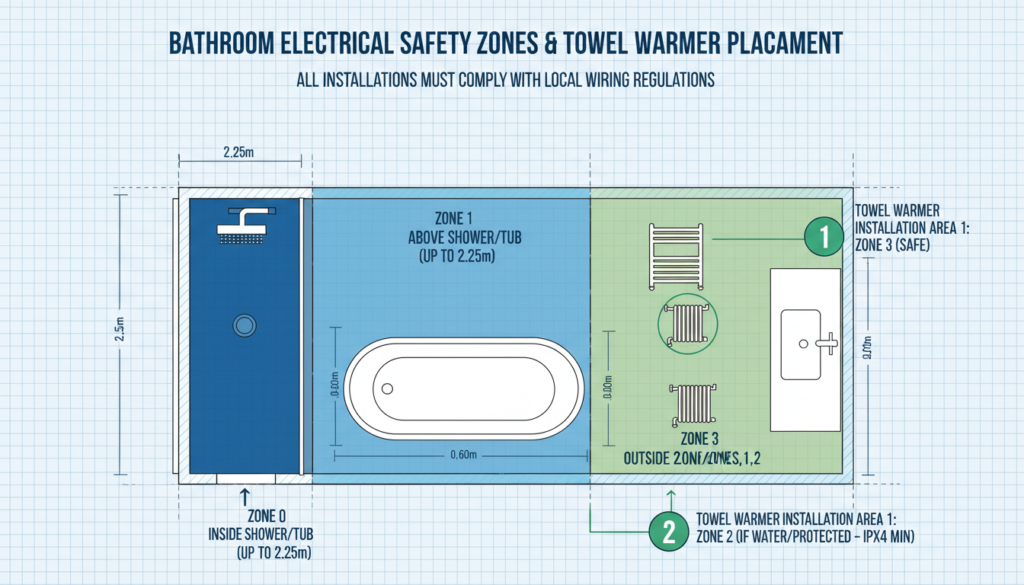
Important Safety Note: Always ensure your towel warmer is installed according to manufacturer guidelines and local building codes. For hardwired models, professional installation is strongly recommended to ensure electrical safety in bathroom environments.
Maintenance and Care for Your Towel Warmer
Towel warmers require minimal maintenance to keep them functioning properly for years. Follow these simple care guidelines to maintain your towel warmer’s performance and appearance.
Routine Cleaning
Most towel warmers can be cleaned with basic household supplies:
- Turn off and unplug the towel warmer (or switch off at the breaker for hardwired models)
- Allow the unit to cool completely
- Wipe down with a soft, damp cloth
- For stubborn spots, use mild soap and water
- Dry thoroughly with a clean cloth
Avoid abrasive cleaners, scouring pads, or harsh chemicals that could damage the finish.
Long-Term Maintenance
- Check connections: Periodically inspect plugs and cords for damage
- Test safety features: Ensure automatic shutoff functions work properly
- Tighten hardware: Check that wall-mounted units remain securely fastened
- Clean dust: Remove accumulated dust from less visible areas
- Inspect for corrosion: Look for any signs of rust or finish damage
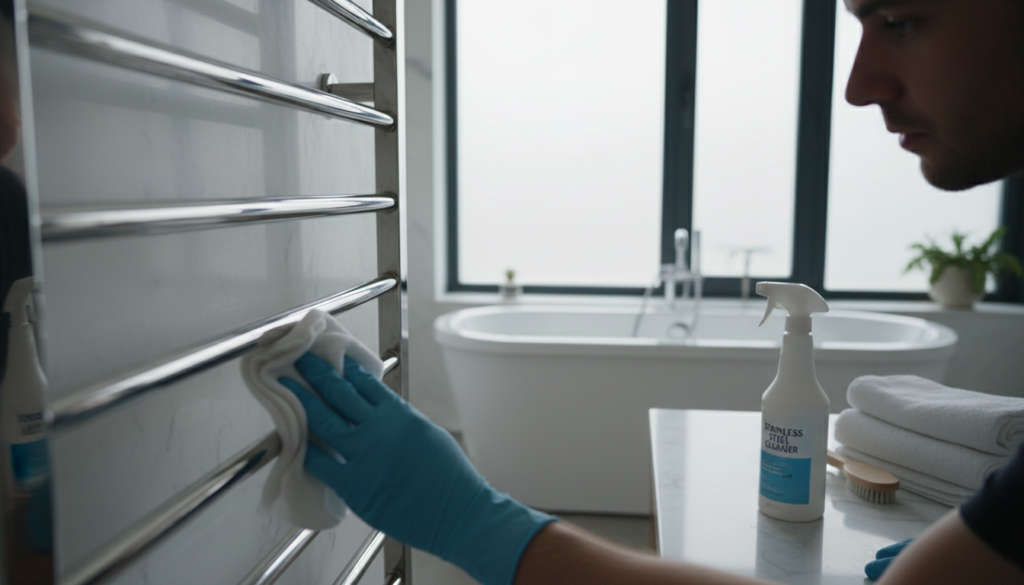
Pro Tip: Most towel warmers feature stainless steel or aluminum construction that resists corrosion. However, in bathrooms with high humidity, regular cleaning helps prevent mineral deposits from shower steam.
How to Choose the Right Towel Warmer for Your Home
With so many options available, selecting the perfect towel warmer requires consideration of several key factors. This guide will help you narrow down your choices.
Size and Capacity
- How many towels do you need to warm?
- Measure your available wall or floor space
- Consider the size of your towels (standard vs. bath sheets)
- Allow for proper spacing between towels for effective warming
Style and Finish
- Match your existing bathroom fixtures
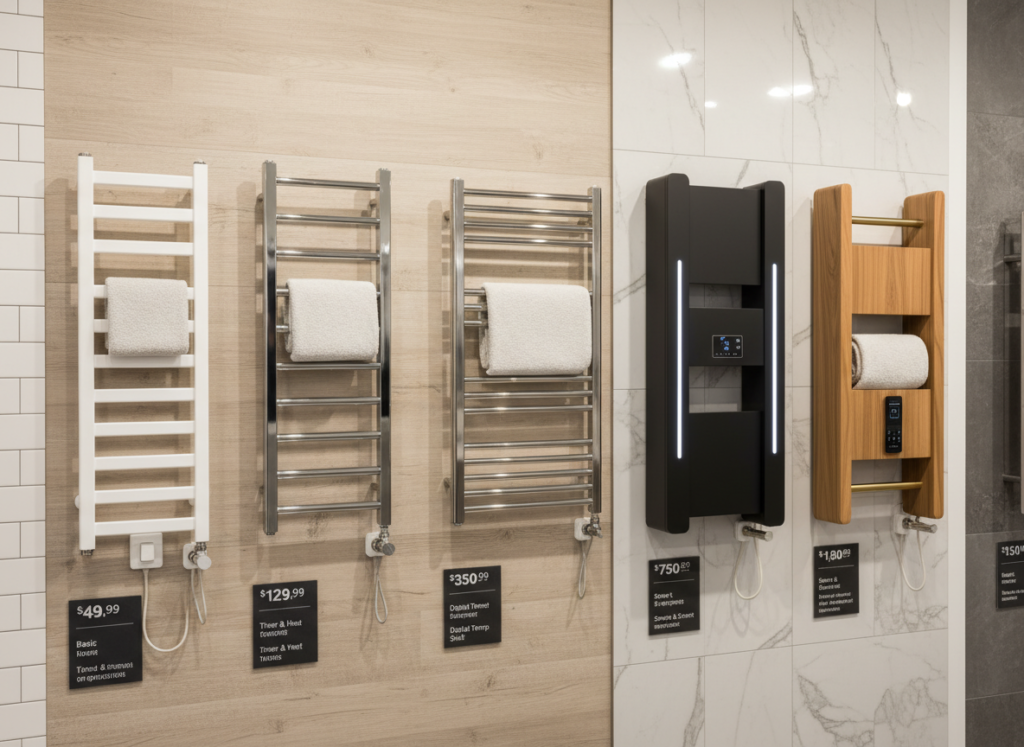
- Popular finishes include polished chrome, brushed nickel, and matte black
- Consider design elements (curved vs. straight bars)
- Evaluate how the aesthetic fits your bathroom design
Installation Requirements
- Assess your DIY comfort level
- Check electrical outlet availability
- Consider whether you need professional installation
- Evaluate permanent vs. portable options
Budget Considerations
Towel warmers vary widely in price based on size, features, and quality:
- Budget ($50-$150): Basic plug-in models with limited features
- Mid-range ($150-$300): Better quality with timers and multiple heat settings
- Premium ($300-$600+): High-end finishes, smart features, and larger capacity
Remember to factor in installation costs for hardwired models, which may add $100-$300 depending on your bathroom’s electrical setup.
Find Your Perfect Towel Warmer Today
Browse our curated selection of top-rated towel warmers with free shipping and expert installation options.
Frequently Asked Questions About Towel Warmers
Are towel warmers worth the investment?
Most towel warmer owners consider them well worth the investment. Beyond the luxury of warm towels, they help reduce moisture and bacteria in towels, potentially extending their life. With operating costs of just pennies per day and prices starting around 0 for quality models, towel warmers provide good value for the comfort they add to daily routines.
Can I leave my towel warmer on all the time?
While most towel warmers are designed for continuous operation, using a timer or smart controls is more energy efficient. Many models include built-in timers or automatic shutoff features. For models without these features, external timers can be added. This approach provides warm towels when needed while minimizing electricity usage.
How long does it take for a towel warmer to heat up?
Most electric towel warmers reach their operating temperature within 15-30 minutes. Bucket-style warmers typically heat up faster (5-10 minutes) than rack-style models. The time needed to fully warm a towel depends on its thickness and the ambient room temperature. For the best experience, turn on your towel warmer about 30 minutes before your shower or bath.
Can towel warmers be used to dry wet towels?
Yes, towel warmers can help dry damp towels, though they work best with towels that are not soaking wet. Rack-style warmers are more effective for drying than bucket models. The drying time depends on how wet the towel is, the room’s humidity level, and the towel warmer’s heat output. For faster drying, ensure good air circulation around the towel.
Do towel warmers use a lot of electricity?
No, towel warmers are surprisingly energy-efficient. Most electric models use between 100-200 watts, similar to a couple of light bulbs. At average U.S. electricity rates, this translates to approximately 2-4 cents per hour of operation. Using timers or smart controls can further reduce energy consumption by ensuring the warmer runs only when needed.
What materials work best with towel warmers?
Natural fibers like cotton and bamboo work best with towel warmers. These materials conduct and retain heat effectively while remaining soft. Thick, plush cotton towels provide the most luxurious warming experience. Avoid using microfiber or synthetic quick-dry towels on towel warmers, as these materials may not heat as effectively and could potentially be damaged by prolonged exposure to heat.
Transform Your Bathroom Experience with a Towel Warmer
A towel warmer represents one of the most accessible luxury upgrades for your bathroom. These versatile fixtures combine practical benefits with everyday comfort, enhancing your daily routine with minimal investment. Whether you choose a wall-mounted rack, freestanding unit, or bucket-style warmer, the simple pleasure of wrapping yourself in a warm towel after bathing creates a spa-like experience in your own home.
With their energy-efficient operation, minimal maintenance requirements, and variety of styles to match any bathroom design, towel warmers offer excellent value. Beyond warming towels, these multi-functional devices help reduce moisture, prevent mildew, provide supplemental heat, and can even warm other items like robes and winter clothing.
Ready to Upgrade Your Bathroom?
Explore our complete selection of premium towel warmers with free shipping on all orders.